


Redefining Pet Cancer Care
JEN-101: A New Frontier in Targeted Therapy
Jenga is proud to introduce JEN-101, a pioneering therapy in the battle against canine oral melanoma and possibly other solid tumors. Traditional cytokine immunotherapies have shown efficacy in activating the immune system against cancer but are often marred by severe autoimmune responses, curbing their widespread application. JEN-101 circumvents these challenges by ingeniously blending the canine-derived cytokine interleukin-12 (IL-12) with aluminum hydroxide. This novel approach anchors IL-12 directly to the collagen within solid tumors, focusing the response where it is needed most. The effectiveness of JEN-101 is largely attributed to its aluminum hydroxide anchor, which localizes the treatment within the tumor, preventing the extensive immune reactions associated with other cytokine immunotherapies. Despite the systemic autoimmune response, early studies suggest that anchored IL-12 still “teaches” the immune system to recognize cancer cells as pathogenic. This is indicated by studies showing a clear reduction in tumor size, both at the site of treatment and in distant tumors, as evidenced by decreased tumor volume and increased white blood cell infiltration.
Study Insights and Potential Effectiveness
Under the leadership of Dr. Tim Fan at the University of Illinois, early trials in dogs have showcased JEN-101's safety and effectiveness against advanced oral melanoma. These findings reinforce Jenga's mission to improve cutting-edge cancer treatments, underscoring our commitment to developing innovative solutions that promise a healthier future for all pets.
Envisioning a Future Where Pets Thrive
Jenga's mission transcends merely treating cancer; we aim to fundamentally transform veterinary oncology. By making groundbreaking therapies like JEN-101 widely available, we are striving towards a future where cancer no longer shortens the lives of our four-legged friends.
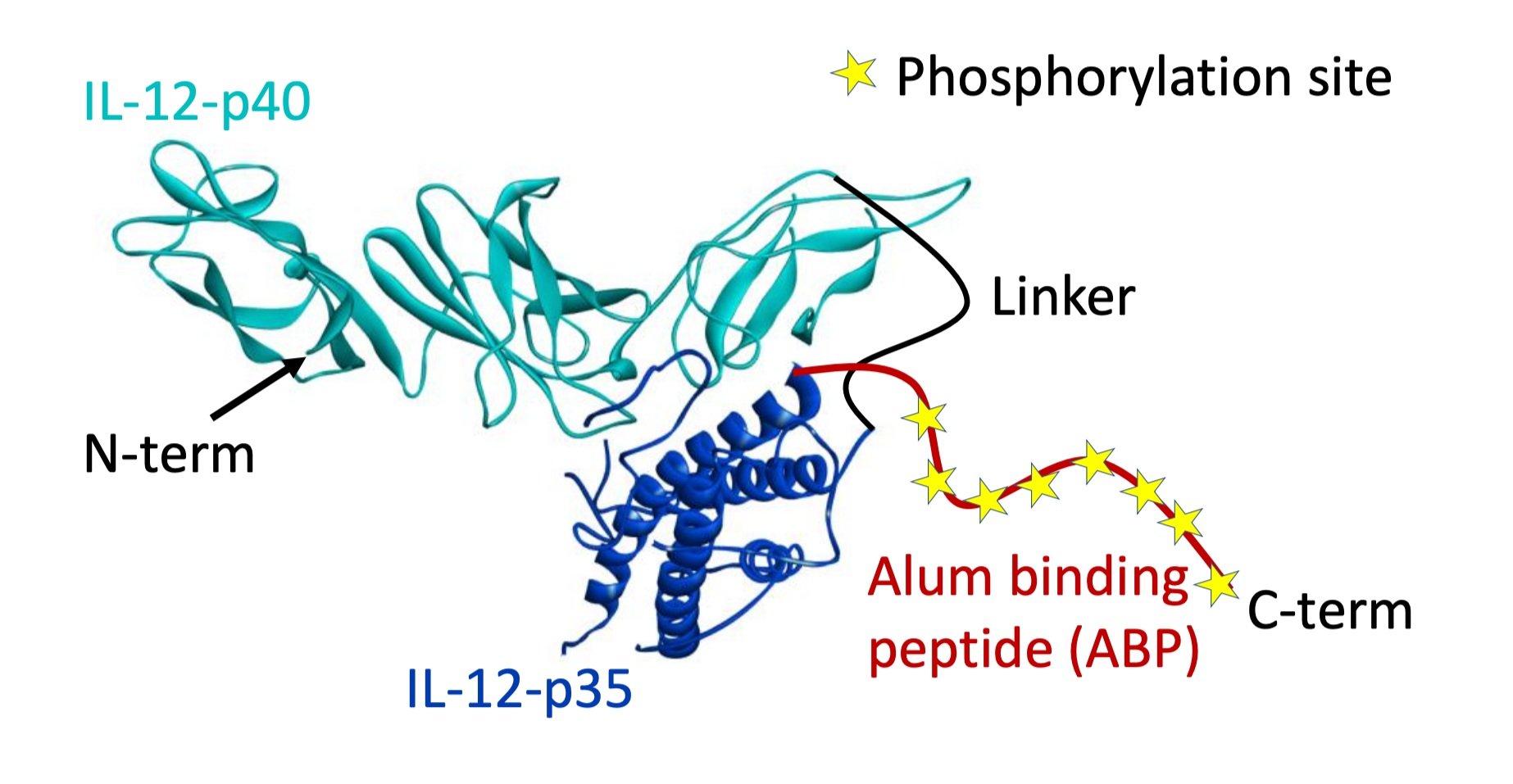
JEN-101: Structural Insights
Impact of Four JEN-101 Injections Over 84 Days on Canine Melanoma
JEN-102: Investigating a Therapy To Help Dogs’ Immune Systems See and Fight Cancer
Cancer’s Camouflage
A key hallmark of cancer in both dogs and humans is its ability to hide. Tumors often exploit natural "checkpoints" in the body; systems designed to stop the immune system from being too aggressive. By hijacking these checkpoints (PD-1/PD-L1 pathway), cancer cells effectively wear "camouflage," shutting down the body’s ability to detect and attack them.
The JEN-102 Mechanism
JEN-102 is being engineered as a caninized monoclonal antibody intended to target these specific checkpoints. By blocking the tumor's "stop signal," the therapeutic goal of JEN-102 is to allow the patient’s own T-cells to recognize and potentially attack the cancer.
The Unmet Need in Veterinary Oncology
While human Immune Checkpoint Inhibitors, or ICIs (like Keytruda) have revolutionized human oncology, they are species-specific and cannot be used in dogs. JEN-102 is being developed to fill this critical gap as a canine-specific therapy. The working hypothesis is that by binding to the checkpoint target (PD-1), JEN-102 may help restore T-cell function, enabling a more robust immune response against the tumor.
Potential to Treat Multiple Cancers
Current research indicates that high expression of these immune checkpoints is present in a wide variety of canine cancers, providing a strong scientific rationale for the development of JEN-102. Studies have identified high PD-L1 expression in significant portions of tumors including Squamous Cell Carcinoma (SCC), Melanoma, Osteosarcoma, Mammary Gland Tumors, and Urothelial Carcinoma. If successful in clinical trials, this wide applicability could position JEN-102 as a versatile asset in the veterinary oncology toolkit, with the potential to be explored as a standalone treatment or in combination with other treatments including JEN-101.
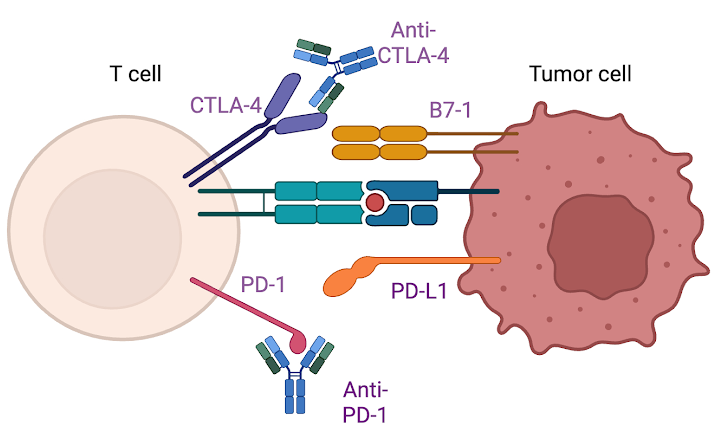
Immune Checkpoint Inhibits T-Cell Activation