


Explore The Science
JEN-101: Anchored Cytokine Therapy
JEN-101 is an investigational intratumoral therapy designed to anchor the immune-stimulating cytokine IL-12 directly within the tumor microenvironment. By limiting systemic exposure, it aims to drive a potent anti-tumor response with an improved safety profile.

First-in-Human Study Validates Anchored IL-12 Platform Safety and Efficacy
A landmark study published in Nature Communications reports the results of the first-in-human Phase 1 trial of tolododekin alfa (ANK-101), the human analog to JEN-101. The trial demonstrated that the anchored IL-12 technology successfully retained the drug within the tumor microenvironment, avoiding the systemic toxicities historically associated with un-anchored IL-12 immunotherapy. With no dose-limiting toxicities observed and durable disease control in the majority of patients, this study provides powerful proof-of-concept for the anchored cytokine platform shared by JEN-101.
Read More

JEN-101 Preclinical Study Supports Safety and Potential Systemic Activity in Canine Melanoma
A new study published in Molecular Cancer Therapeutics suggests the safety and promising activity of JEN-101 (Jenga's anchored canine IL-12) for treating advanced melanoma in dogs. Intratumoral administration of JEN-101 appears generally well-tolerated, with manageable side effects observed. The study indicates that JEN-101 may trigger both local and systemic anti-tumor immune responses, with evidence of immune activation even in distant, untreated tumors, suggesting the treatment might help the immune system identify cancer cells throughout the body, even in areas not directly treated. Meaningfully, the study also showed objective tumor reduction in a subset of dogs, an encouraging finding in this early research phase, supporting further investigation of JEN-101. This reinforces the value of comparative oncology in advancing cancer therapeutics.
Read More

Comparative Immunotherapy: Advancing Cancer Treatment with Canine Models
This article published in The Journal of the American Veterinary Medical Association highlights how pet dogs, with their biological similarities to humans, are advancing cancer immunotherapy for both species. It explores promising treatments shared between humans and dogs, including immune checkpoint inhibitors, cancer vaccines, adoptive cell therapy, and cytokine therapies, emphasizing the shared benefits of this comparative approach.

JEN-101 in Dogs: Promising Treatment for Melanoma
Learn more about our JEN-101 (formerly known as cANK-101) Pilot Study
Read more about our breakthroughs and the implications of JEN-101 in veterinary oncology in this article published in the American Journal of Veterinary Research

JEN-101’s Foundation: Localizing Cytokine Therapy with Collagen Anchoring (2019)
At the heart of one of Jenga's therapeutic strategies is a groundbreaking 2019 study from MIT published in Science Translational Medicine. This research addresses the primary limitation of cytokine-based immunotherapies—systemic exposure. By anchoring cytokines to collagen, which is prevalent in many solid tumors, the technology localizes treatment precisely within the tumor environment. This method significantly reduces side effects and improves outcomes by utilizing the body's immune system to specifically target and destroy cancer cells, while minimizing its reaction to healthy cells.

Improving Drug Retention: Enhancing IL-12 Anchoring with Aluminum-Hydroxide
Building on the 2019 breakthrough, this 2022 MIT study advances localization techniques by employing alum to anchor interleukin-12 (IL-12) within tumors, making ANK-101 as we know it today. This development significantly enhances the efficacy of IL-12 therapy, focusing its potent anti-tumor effects directly at the tumor site and markedly reducing systemic side effects. This innovation symbolizes a refined approach to immunotherapy, highlighting precision and patient safety in targeted cancer treatment. The utilization of IL-12 in this manner underscores a pivotal shift towards more effective, localized treatments, offering new hope for patients through a strategy that mitigates the traditional challenges associated with systemic immunotherapy."

Systemic Breakthrough: mANK-101 Triggers Global Immune Response, Targeting Distant Tumors
This study suggests JEN-101’s mouse precursor (mANK-101) has the ability to not only reduce the size of tumors at the injected tumor, but also in causing regression in distant, untreated tumors. This study supports the idea that the anchored IL-12 technology in JEN-101 teaches the immune system to to target cancerous cells while crucially avoiding the systemic autoimmune damage typically associated with traditional cytokine treatments.
JEN-102: Immune Checkpoint Inhibition
JEN-102 is an investigational caninized monoclonal antibody designed to target immune checkpoints within the PD-1/PD-L1 pathway. By blocking the tumor’s ability to evade detection, it aims to restore T-cell function and enable the patient's own immune system to recognize and attack cancer cells.
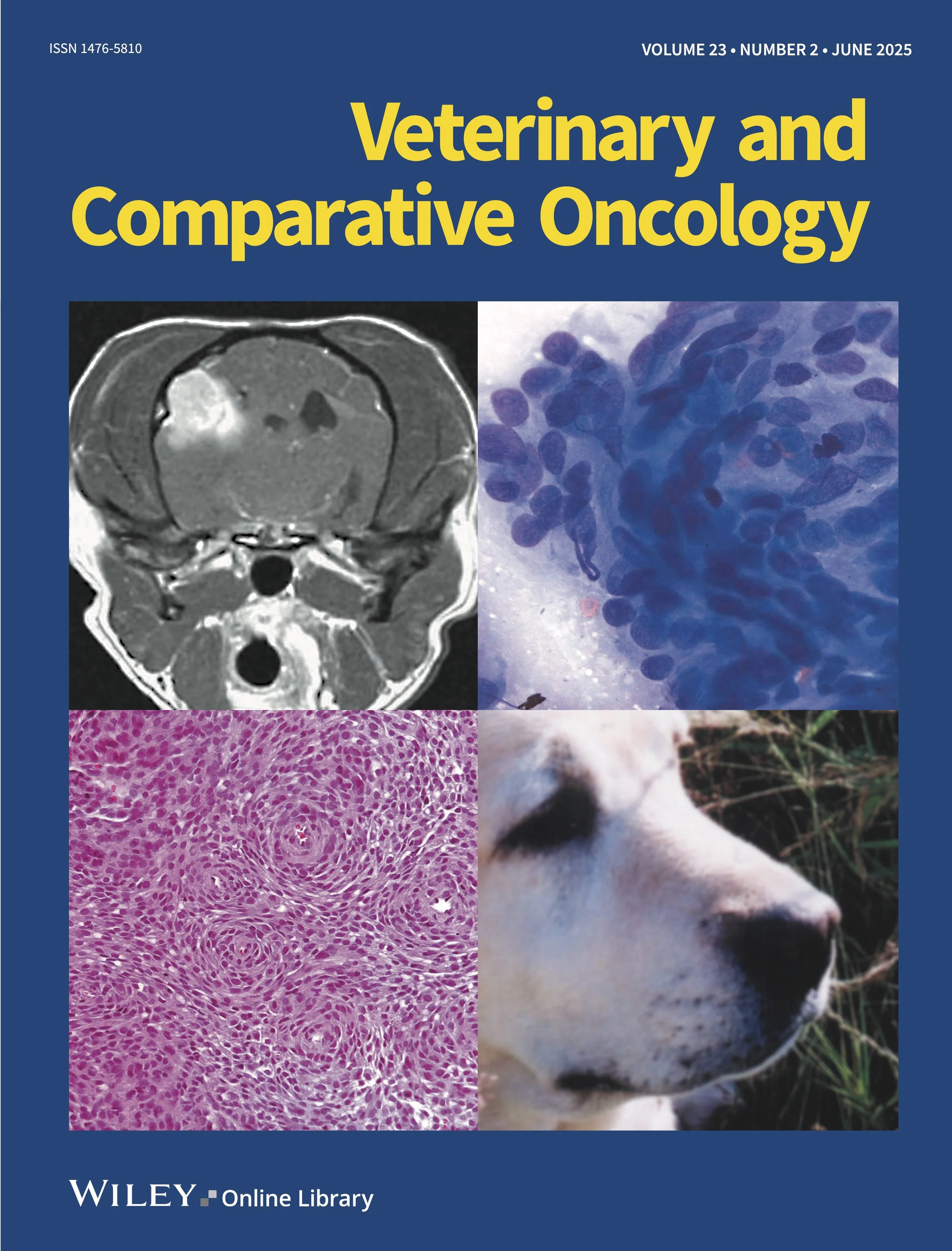
Study Validates Immune Checkpoint Targets in Canine Oral Melanoma
This study published in Veterinary and Comparative Oncology confirms the widespread presence of therapeutic targets for immune checkpoint inhibitors in dogs. Using advanced RNAscope technology, researchers detected PD-L1 expression in 100% of canine oral melanoma samples, validating that these tumors actively evade the immune system via the PD-1/PD-L1 axis. These findings establish a critical biological foundation for JEN-102, supporting its potential to disrupt this suppression and reactivate the immune system against cancer cells.

The Case for Checkpoint Inhibitors in Veterinary Oncology
This 2024 review provides critical validation for the use of immune checkpoint inhibitors in dogs, confirming that aggressive canine tumors such as oral melanoma, osteosarcoma, and urothelial carcinoma highly express the same PD-1 and PD-L1 targets that have revolutionized human cancer treatment. The authors highlight that while first-generation attempts have demonstrated that these therapies are generally safe and well-tolerated, there is a clear need for optimized treatments that leverage predictive biomarkers. This research underscores the massive potential for next-generation immunotherapies like JEN-102 to unlock long-term survival benefits for dogs, similar to the successes seen in human medicine.